

Talc Ore, Talc Lumps & Soapstone
Selected at the source.
Classified for your process.
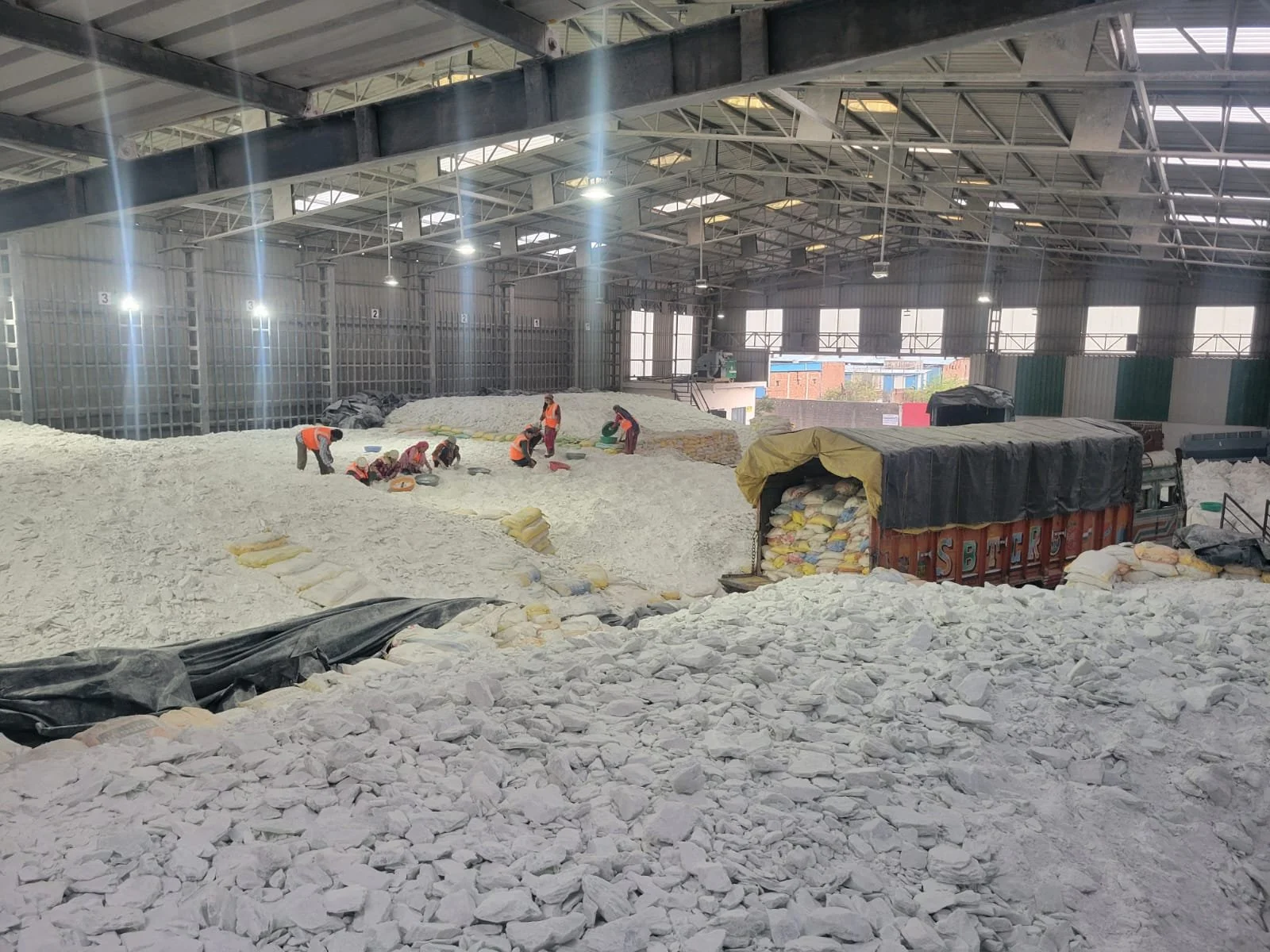
Asbestos-free talc ore from Uttarakhand, supplied as a naturally occurring combination of lumps, chips and fines and classified around the optical and chemical characteristics your process requires.
NATURAL MINERAL FORM
Lumps, chips and fines.
Supplied together.
The material is supplied as one naturally occurring product—not as separately sold size fractions.
The proportion of lumps, chips and fines changes naturally with the commercial quality band. Because talc is very soft, handling and transport can also change the visible particle-size mix without changing the underlying mineral quality.
Natural variation
Size proportions vary with the mineral body and commercial band.
Soft mineral
Talc may break during handling, loading and transport.
Grade-led selection
Selection is based on tested mineral characteristics—not lump size alone.
COMMERCIAL QUALITY GRADES
Five grades.
One controlled classification system.
Super, First, Mix, Second and Third provide a practical commercial language for matching mineral quality with the intended use.
Super
Selected mineral quality for requirements needing the closest control within this commercial grading system.
First
Controlled commercial mineral quality for established industrial and trading requirements.
Mix
Blended mineral quality evaluated against the intended use and agreed commercial parameters.
Second
A practical commercial quality supplied against its available representative mineral profile.
Third
Fit-for-purpose mineral quality for applications aligned with the available grade characteristics.
Grade names are Bharat Mines & Minerals’ commercial classifications and are not universal industry standards. Representative ranges and final specifications are confirmed against each customer enquiry.
Representative sample.
Comparable test basis.
QUALITY CLASSIFICATION
Commercial bands are evaluated on a consistent preparation and test sequence.
Representative ore sample
A representative sample is drawn from the material under evaluation.
Ground to #200
The sample is ground to #200 before optical and chemical evaluation.
Optical characteristics
Y and CIELAB L* and b* are reviewed for brightness, lightness and yellow-blue character.
Chemical characteristics
Elemental composition and mineral phases are evaluated using appropriate laboratory techniques, supported where relevant by LOI and other chemical parameters. The testing scope and acceptance criteria are aligned with the selected grade and customer requirement.
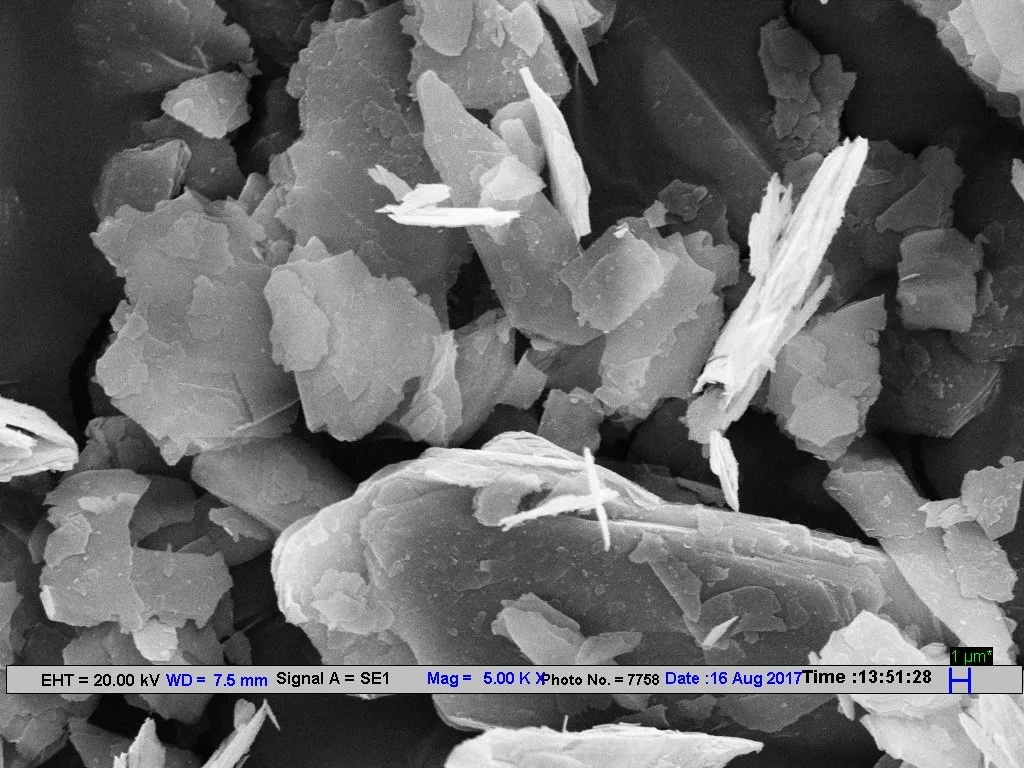
Uttarakhand talc is valued for the combination of softness, optical character and plate-like mineral morphology that international processors assess when selecting a raw-material source.
Soft, bright and naturally lamellar.
UTTARAKHAND MINERAL CHARACTER
Final suitability still depends on the intended process, chemistry, specification and customer evaluation. We therefore classify and discuss the mineral against the use—not origin alone.
Consistency begins before micronisation.
SOURCE TO SPECIFICATION
Control over our own mineral resources gives supply a dependable foundation.
We also purchase raw material from the market when required. Every externally sourced lot is accepted only under strict incoming quality control so that the desired optical and chemical results can be achieved consistently.
01
Source approval
External raw material is reviewed before it enters the supply programme.
02
Incoming verification
Representative testing confirms alignment with the intended band.
03
Lot traceability
Material classification and supporting documents are maintained for supply control.

ASBESTOS FREE VERIFICATION
Asbestos-Free Documentation
Commercial grades are supplied as asbestos-free. Testing requirements and supporting laboratory documentation can be discussed for the selected grade, destination and customer specification.
CUSTOMER-SPECIFIC DOCUMENTATION
Data shared with context.
Detailed grade ranges, elemental or chemical reports and batch-specific information are shared directly where relevant to the customer’s enquiry.
PACKAGING & EXPORT LOGISTICS
Packed for the route.
Planned for the destination.
Packaging and container planning are confirmed against the destination, route and discharge requirements.

Bag options
25 kg and 50 kg HDPE bags.

Jumbo bags
Typically 1000–1200 kg.

Shipment basis
MOQ is generally one truck or container load; capacity varies by destination and loading method.

Loading & ports
Bagged or loose container loading and bulk shipment through Mundra, Pipavav or another suitable major Indian port.
EXPORT MARKET
From India to established international customers.
Bharat Mines & Minerals has supplied customers across Asia and Europe, supporting enquiries with grade discussion, documentation, packaging and shipment planning.
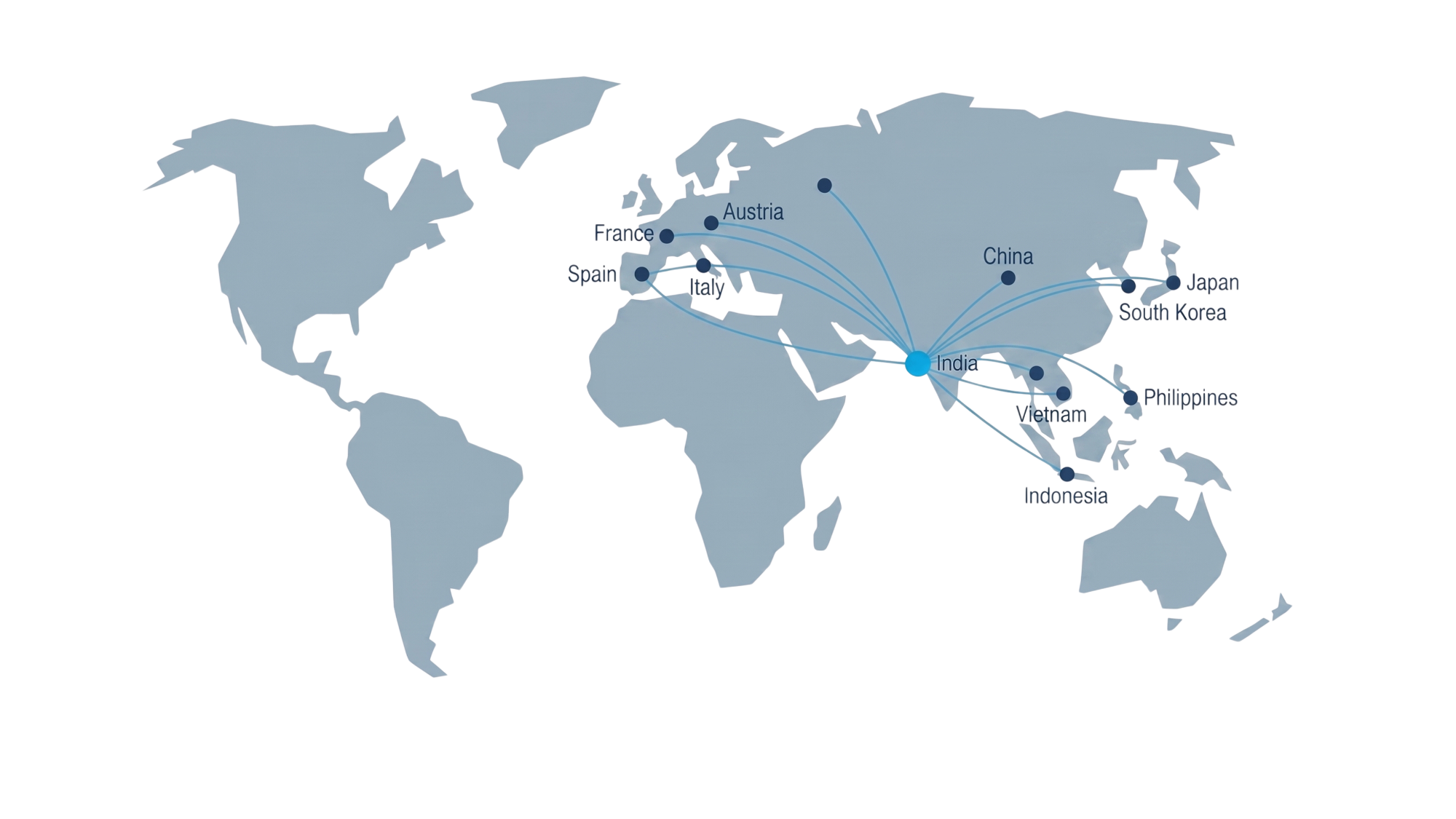
Austria
Vietnam
Italy
China
South Korea
France
Indonesia
Philippines
Japan
Spain
COMMON QUESTIONS
Before you request a grade.
-
No. They are supplied together as the naturally occurring commercial product. Their visible proportion varies by quality band and can change further because soft talc breaks during handling and transport.
-
No. “Mix” is the commercial name of the middle quality band and does not necessarily indicate that different materials have been blended.
-
A representative ore sample is ground to #200 and tested for Y and CIELAB L* and b*, together with chemical characteristics including LOI. Detailed specifications are shared on request.
-
Asbestos-free status is supported through source control and appropriate laboratory verification. Because testing methods, reporting formats and destination requirements may differ, buyers should share their required standard or documentation format with their enquiry. We will then confirm the testing and supporting documents available for the selected grade.
-
The usual minimum is one container load. Final payload, packaging, loading method and port are confirmed against the destination and route.
START A TECHNICAL CONVERSATION
What should your raw material help you achieve?
Share your target quality band, destination, approximate quantity, packaging preference and required optical or chemical characteristics.