

Micronised Talc for
Automotive Plastics
AUTOMOTIVE PLASTICS
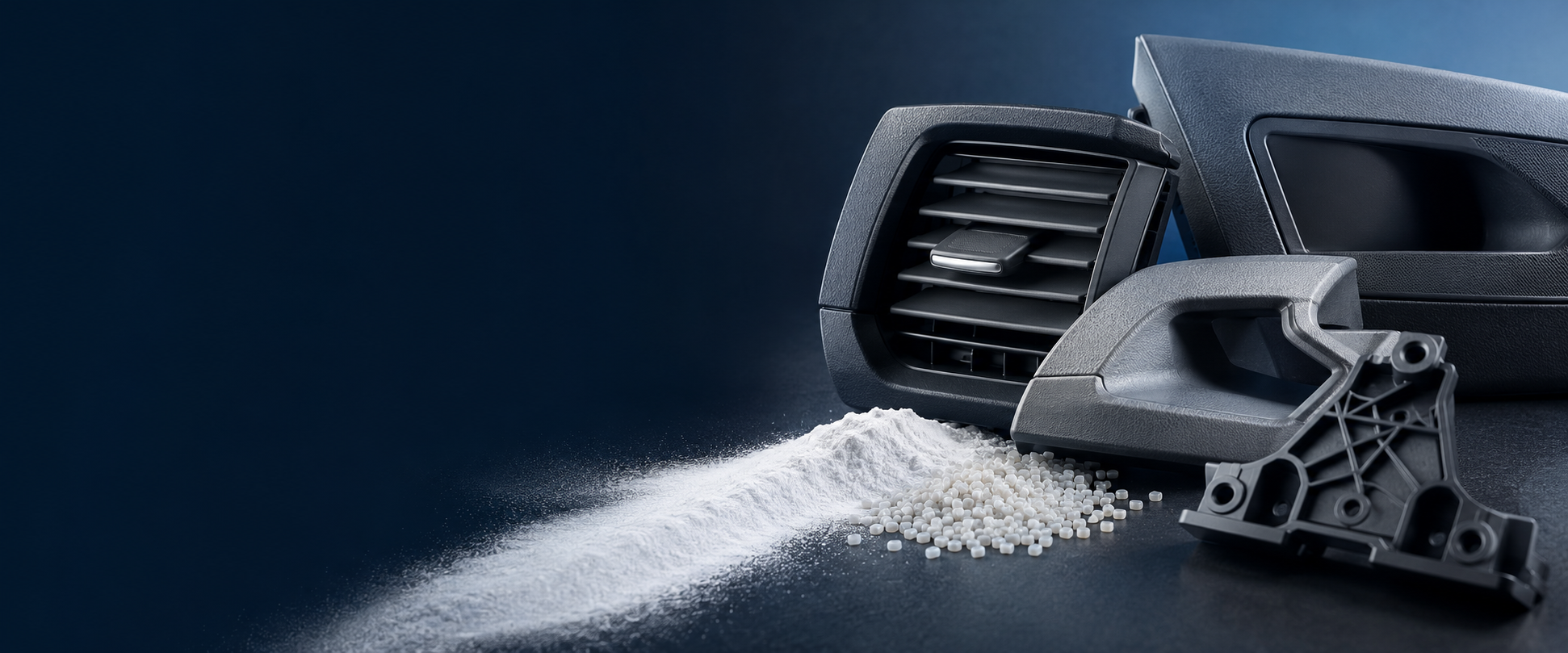
Talc grades for automotive PP compounds requiring controlled stiffness, dimensional stability, heat performance and consistent component quality.
Grade selection must be validated in the intended formulation and against the applicable OEM or Tier specification.
WHAT TALC SHOULD DELIVER
Engineer the mineral around the component.
Automotive PP compounds are evaluated as complete systems. Talc loading alone does not determine success: particle morphology, distribution, resin, additives and moulding conditions all affect the finished component.
Stiffness with weight discipline
Talc-reinforced PP can help compounders achieve component rigidity without defaulting to heavier material systems.
Dimensional control
Grade selection can support lower mould shrinkage, better dimensional repeatability and improved warpage control.
Heat performance
Talc can support heat-deflection performance and dimensional retention where components experience elevated service temperatures.
Balanced component performance
Particle structure, dispersion and loading must be balanced against impact, surface, odour and processing requirements.
AUTOMOTIVE APPLICATION AREAS
Developed for PP components with defined performance targets.
These are evaluation areas, not automatic approvals. Each component programme should follow the customer’s formulation, testing and validation protocol.
-
Instrument-panel carriers, console structures, pillar trims and other moulded interior components.
-
Door-panel substrates, map pockets and internal trim parts requiring stiffness and repeatable moulding.
-
Non-safety-critical housings and trim components subject to grade-specific weathering and impact validation.
-
Selected non-critical PP components where thermal, dimensional and emissions requirements are established by the customer.
RECOMMENDED TALC GRADES
Practical starting points for automotive PP development.
Start with the grade closest to the component requirement, then validate the complete formulation against the applicable standard.

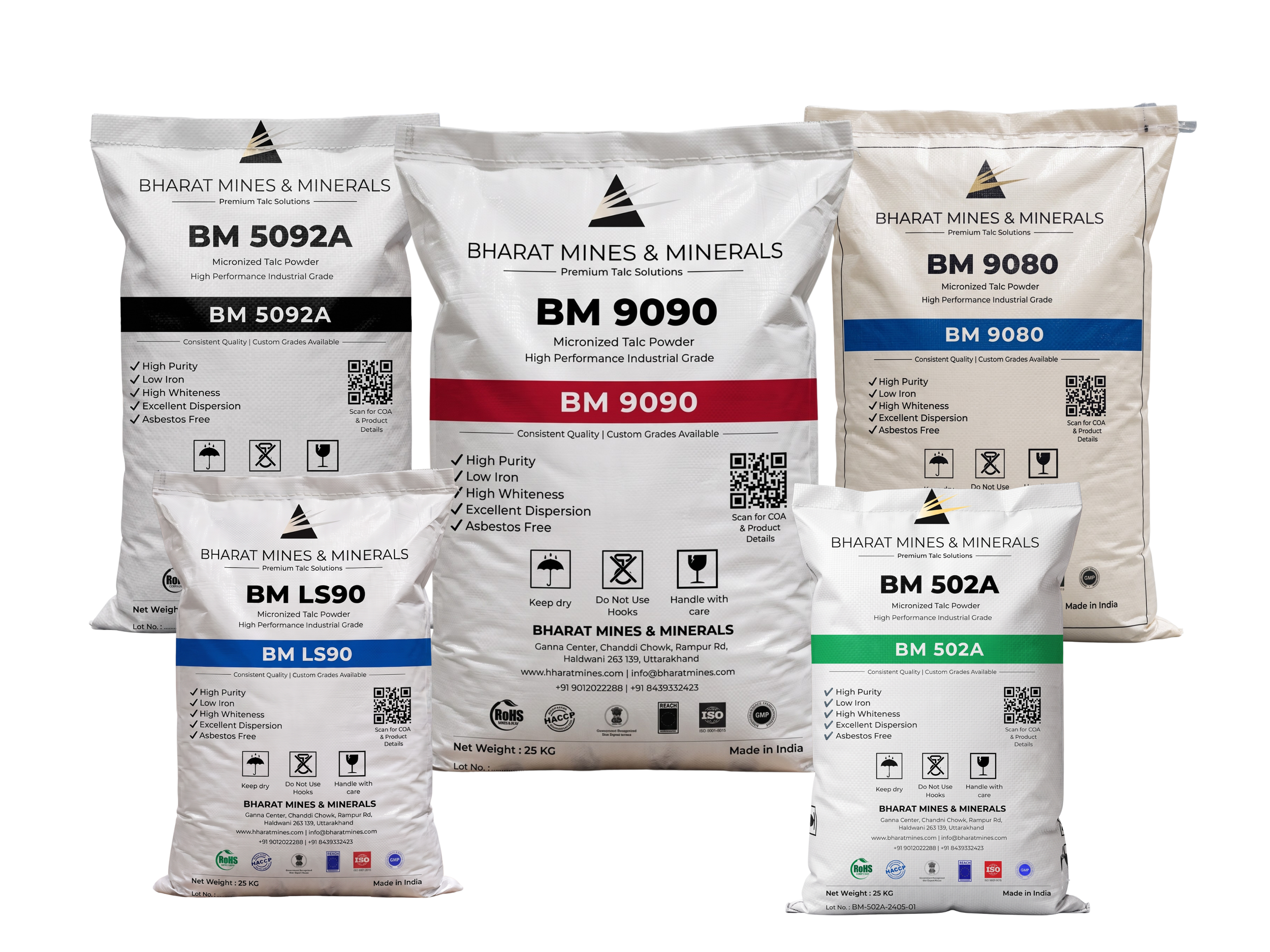
Talc BM 9090
Premium whiteness grade
For visible or light-coloured automotive interior PP compounds where whiteness, dispersion, surface finish and colour consistency matter.

Talc BM 9080
Balanced performance grade
For general-purpose automotive PP compounds requiring balanced stiffness, impact performance, dimensional stability and processing consistency.

Talc BM 5092A
Cost-effective grade
For cost-sensitive, non-visible and non-critical automotive PP components where reliable processing and dimensional consistency are priorities.
Customised Grades
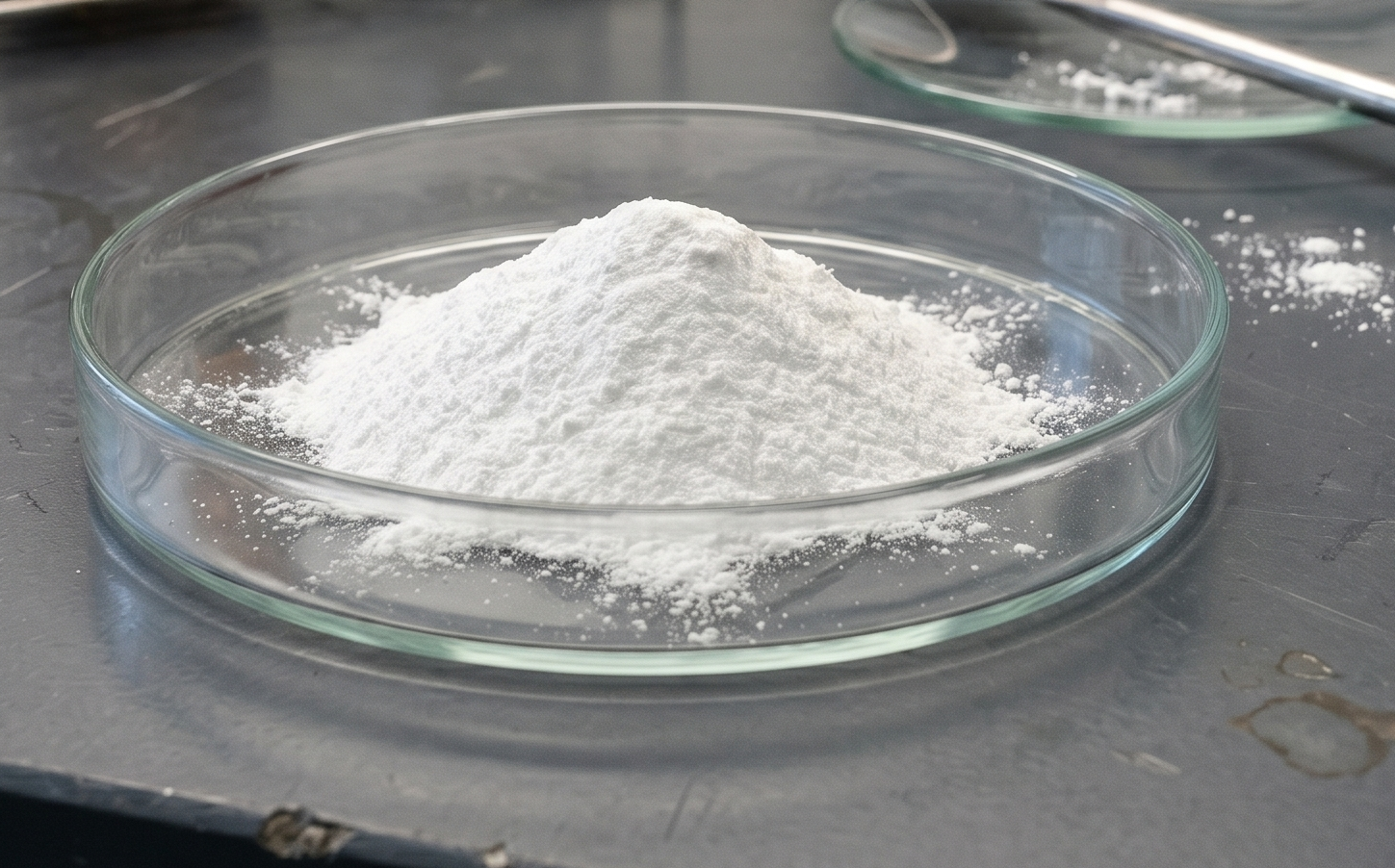
Built around your formulation
Particle-size distribution, whiteness, oil absorption and chemical profile can be aligned with the PP resin, mineral loading, moulding conditions, component-performance targets and emissions requirements.
INITIAL SELECTION GUIDE
Compare grades for your automotive PP requirement.
Final approval should follow a controlled compound and component trial using the intended PP resin, additive package, talc loading and processing conditions.
| Grade | Best Starting Point For | Position | Buyer Should Evaluate | Next Step |
|---|---|---|---|---|
| BM 9090 Premium appearance | Visible or light-coloured automotive interior compounds. | Premium | Whiteness, dispersion, compound colour, surface finish, modulus, impact balance and emissions. | Request BM 9090 TDS → |
| BM 9080 Balanced performance | General-purpose automotive PP compounds requiring balanced performance. | Balanced | Stiffness, impact, extrusion stability, shrinkage, warpage, surface quality and total formulation cost. | Request BM 9080 TDS → |
| BM 5092A Cost-effective | Cost-sensitive, non-visible and non-critical PP components. | Value-focused | Achievable loading, dispersion, dimensional consistency, part acceptance and applicable compliance requirements. | Request BM 5092A TDS → |
| Customised Grade Application-specific | Formulations not adequately served by a standard talc grade. | Custom developed | PSD, top cut, morphology, whiteness, moisture, resin system, emissions protocol, part performance and volume. | Discuss Grade → |
Chemistry establishes the mineral foundation.
TYPICAL CHEMICAL PROFILE
Chemical consistency should be considered alongside particle-size distribution, morphology, whiteness, moisture and compound-trial performance.
| Parameter | Typical Range |
|---|---|
| Silica — SiO2 | 58–62% |
| Magnesium Oxide — MgO | 30–32% |
| Alumina — Al2O3 | 0–1.5% |
| Iron Oxide — Fe2O3 | 0–0.8% |
| Calcium Carbonate — CaCO3 | 0–3% |
| Loss on Ignition at 1050°C | 6–8% |
Values are indicative and may vary by grade. Request the relevant Technical Data Sheet for grade-specific specifications and confirm suitability through application trials.
PARTICLE ENGINEERING
Measured distribution. Visible morphology.
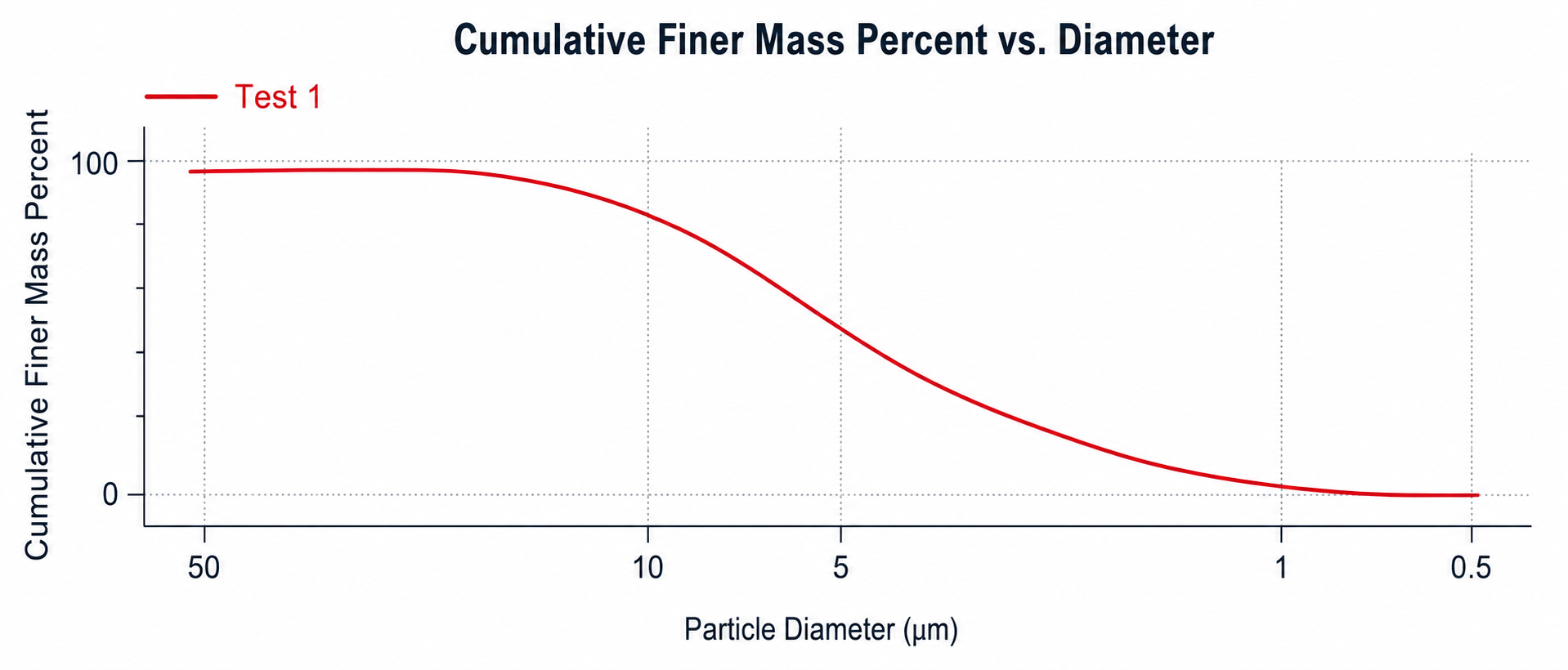
Nominal mesh alone does not fully describe a polymer-grade talc. Particle-size distribution and mineral morphology provide a more useful view of how a grade has been engineered.
SediGraph III particle-size analysis using X-ray monitored gravity sedimentation and Stokes’ law calculation.
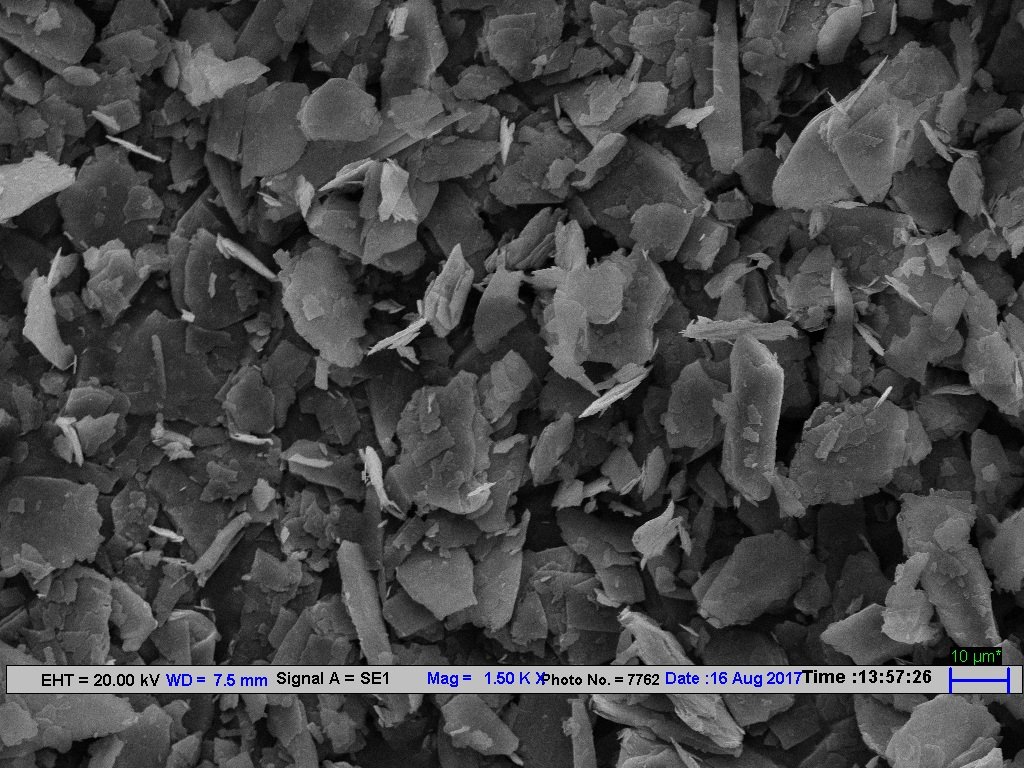
Particle population at lower magnification
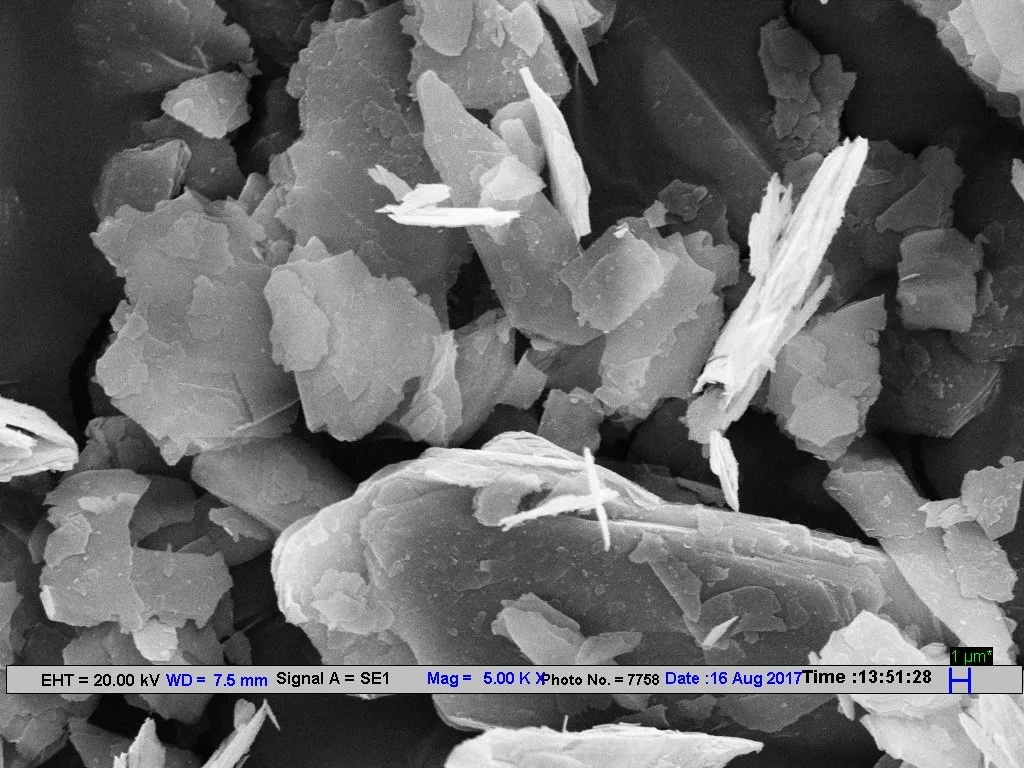
Plate-like mineral morphology at higher magnification
The particle-size curve and values shown are representative results from a talc sample measured by SediGraph. They are not a contractual product specification; values may vary by product and batch and may not be directly comparable with results obtained using other particle-size measurement methods.
PACKAGING & SUPPLY

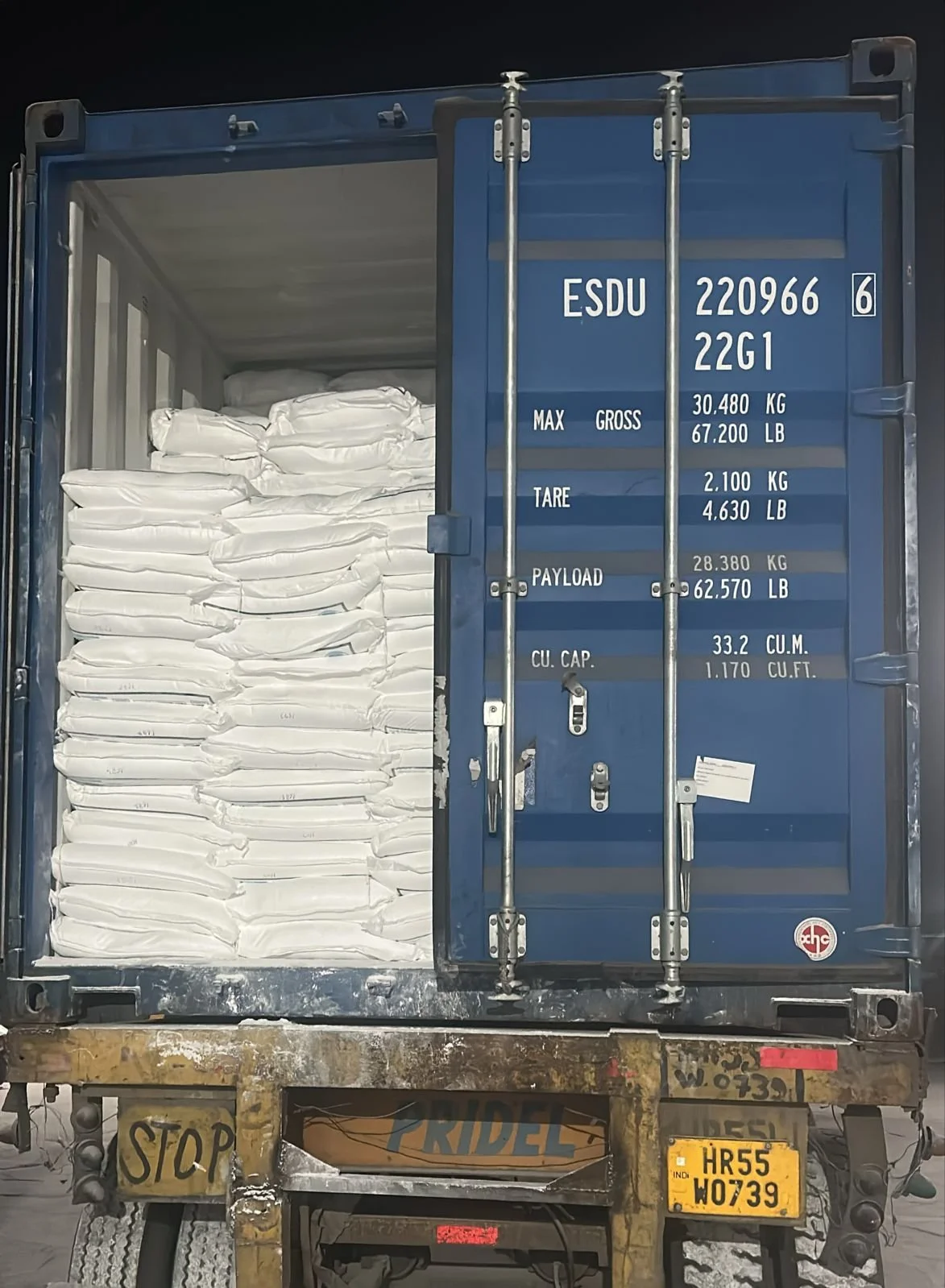

Consistent material supported by dependable supply.
Packaging format, shipment quantity, documentation and delivery planning can be aligned with compound-manufacturing requirements.
-
25 kg and 50 kg HDPE bags.
-
Typically 1000–1200 kg.
-
MOQ is generally one truck or container load; capacity varies by destination and loading method.
-
Bagged or loose container loading and bulk shipment through Mundra, Pipavav or another suitable major Indian port.
COMMON QUESTIONS
Before you request a grade.
-
Talc is evaluated to support stiffness, dimensional stability, heat performance and moulding consistency. The result depends on talc morphology, particle distribution, loading, resin and the complete additive system.
-
The mineral may begin from a similar grade platform, but automotive use normally demands tighter formulation control and component-specific validation for mechanical, thermal, surface and emissions performance. For broader formulation guidance, visit our PP Compounds page→.
-
No. A talc TDS does not approve the finished compound or component. The customer must validate the complete formulation against the applicable OEM, Tier or internal specification.
-
No. The correct distribution, top cut, morphology and dispersion matter more than fineness in isolation. Excessive fineness can add cost or processing difficulty without proportionate part benefit.
-
Share the component, PP resin, current mineral, talc loading, mechanical and thermal targets, impact temperature, surface expectations, emissions protocol and processing conditions.
What should your talc help you achieve?
START A TECHNICAL CONVERSATION
Share your application, current specification, target properties, approximate requirement and destination. Our team will review the information and recommend the appropriate next step.
Product selection · Technical data · Samples · Domestic supply · Export enquiries
SALES & TECHNICAL ENQUIRIES
Ganna Center, Chandni Chowk, Rampur Rd, Haldwani 263 139,
Uttarakhand